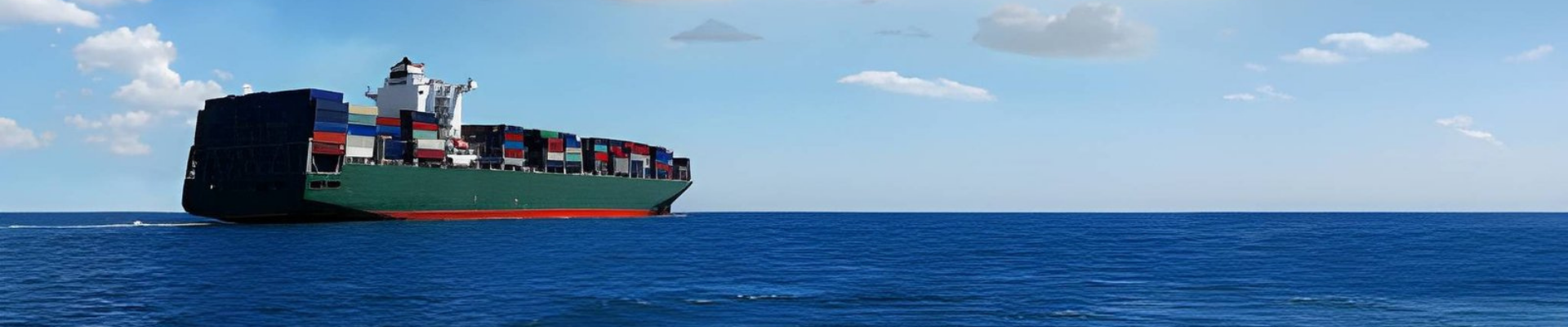
Sea Freight
Sea Freight is one of the most efficient transport models for commercial cargo moving from Türkiye to Africa. At Afrika Cargo, we manage Sea Freight operations with planned departures, secure loading coordination, and transparent process follow-up. As a result, importers, exporters, manufacturers, and project owners can move cargo with better cost control and clearer transit planning.
Sea Freight is especially suitable for regular commercial shipments, container-based transport, and large-volume cargo. Moreover, it supports stable planning for businesses that want to balance transit time and budget. Our team builds each shipment plan according to cargo structure, destination port, operational priority, and documentation requirements.
Why Sea Freight Matters
International logistics requires a transport model that is both scalable and cost-efficient. Therefore, Sea Freight remains a preferred option for many Africa-bound shipments. It is well suited for cargo that does not require express delivery but still needs controlled movement, clear scheduling, and secure handling.
Sea Freight also supports stronger planning across the supply chain. In addition, it helps businesses manage recurring shipments, seasonal stock movements, and route-based cargo distribution with more confidence. When the process is planned correctly, sea transport improves both operational continuity and budget management.
Where Sea Freight Is Used
Sea Freight is widely used across different sectors and shipment types. In particular, it is preferred for:
- General commercial cargo
- FCL and LCL shipments
- Machinery and industrial equipment
- Textile, furniture, and home products
- Project cargo and large-volume loads
- Long-term export and import operations
If your cargo includes oversized units or route-sensitive industrial loads, the shipment can also be coordinated with our Project Transportation service. Likewise, if pre-loading stock management is required, our Storage and Warehousing solutions can support the operation.
Sea Freight Transport Models
FCL Shipments
FCL, or full container load, is ideal when one shipper uses the full container capacity. This model is often preferred for larger shipment volumes, improved loading control, and direct cargo planning. Consequently, it provides a more structured solution for companies with regular or high-volume exports.
LCL Shipments
LCL, or less than container load, is suitable for smaller cargo volumes that do not require a full container. In this model, the shipment shares container space with other loads. Therefore, LCL can be a practical option for businesses that want to optimise shipping cost while maintaining planned delivery flow.
Port-to-Port and Extended Delivery Planning
Some shipments move only between ports, while others require additional inland coordination. Depending on the route and cargo structure, port delivery, warehouse transfer, customs support, and final-stage organisation can be planned together. For related customs processes, you can also review our Customs Clearance and Insurance service.
How the Sea Freight Process Works
A successful Sea Freight operation depends on timing, documentation, and route planning. For that reason, we manage each shipment in clear steps.
1. Cargo Review and Route Planning
First, we review the cargo type, dimensions, weight, packaging structure, destination country, and preferred port. Then we define the most suitable sea freight model for the shipment.
2. Quotation and Operational Setup
After the route is confirmed, we prepare a clear quotation based on shipment details. In addition, vessel planning, loading terms, and timeline expectations are aligned before dispatch.
3. Documentation and Shipment Preparation
Commercial and logistics documents are checked before departure. This stage usually includes invoice review, packing list control, and transport document preparation. As a result, the shipment moves into the operation with fewer documentation risks.
4. Loading and Departure
The cargo is loaded according to the approved plan and container structure. Meanwhile, vessel scheduling and departure timing are monitored closely to protect the agreed operation flow.
5. Transit and Arrival Follow-Up
During transit, shipment milestones are followed and status updates are shared. Finally, the arrival stage is coordinated according to the agreed delivery model, import conditions, and local handling requirements.
What Affects Sea Freight Costs?
Sea Freight pricing changes according to shipment and route details. The main factors include:
- Container type and container size
- FCL or LCL shipment model
- Cargo volume, weight, and loading structure
- Departure and destination ports
- Transit route and vessel schedule
- Customs scope and document requirements
- Storage, handling, and extra operational services
For this reason, accurate pricing depends on clear cargo information and route details. Once the shipment data is shared, Afrika Cargo prepares a quotation based on the most suitable transport scenario.
Why Planned Logistics Is Essential in Sea Freight
Sea Freight offers strong advantages, but only when the operation is planned correctly. Vessel timing, port handling, customs preparation, and documentation flow must work together. Otherwise, delays, cost increases, and avoidable disruptions may occur.
Planned logistics improves shipment visibility and helps protect delivery performance. Moreover, it supports better inventory control, smoother port operations, and stronger communication across all shipment stages. Especially on the Türkiye–Africa corridor, route-based planning creates a more stable logistics structure.
Why Choose Afrika Cargo for Sea Freight?
Afrika Cargo manages Türkiye–Africa logistics with a practical and transparent operation model. We focus on route clarity, shipment control, and realistic planning. Therefore, Sea Freight operations become easier to organise and easier to follow.
- Structured sea freight planning for the Türkiye–Africa corridor
- Support for FCL and LCL shipment operations
- Transparent communication throughout the shipment
- Integrated support for customs, warehousing, and related services
- Flexible planning based on cargo type, route, and delivery target
To explore more logistics solutions, visit Our Services. You can also review destination coverage on the Service Areas page.
Get a Quote for Sea Freight
If you need to move commercial cargo, container shipments, or large-volume goods from Türkiye to Africa, Afrika Cargo can help you build the right sea transport plan. Share your cargo details, preferred route, and delivery target with our team. Then we will prepare the most suitable Sea Freight solution for your operation.
For direct communication and fast quotation, you can also visit our Contact page.
Frequently Asked Questions About Sea Freight
What is Sea Freight?
Sea Freight is the transport of cargo by sea using container-based and port-based logistics models. It is widely used for commercial shipments, regular exports, and large-volume cargo.
Is Sea Freight suitable for Africa-bound cargo?
Yes. Sea Freight is one of the most practical options for many Africa-bound shipments, especially for planned cargo that does not require express delivery.
What is the difference between FCL and LCL?
FCL means one shipper uses a full container, while LCL means multiple shipments share container space. The right model depends on cargo volume, timing, and budget.
What documents are usually needed for Sea Freight?
The required documents vary by shipment and destination. However, invoice, packing list, and transport-related paperwork are usually reviewed before departure.
Can Sea Freight be combined with customs and warehousing services?
Yes. Depending on the shipment plan, Sea Freight can be supported with customs clearance, warehousing, storage, and related logistics services.
 Get a Quote